
Maison fondée à Lyon · 1986
How Do You Avoid a Bad Plywood Supplier?
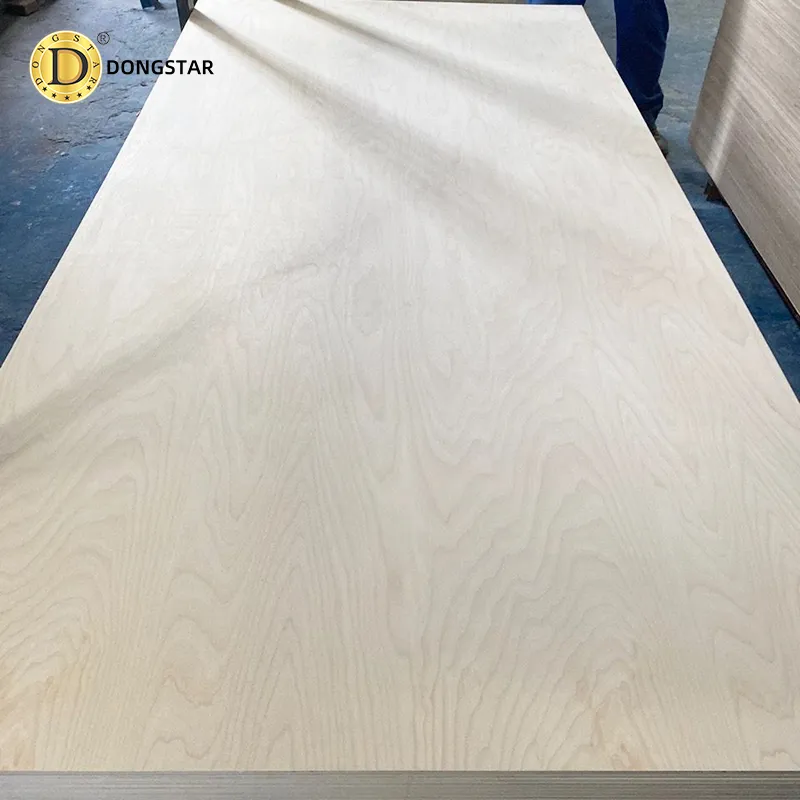
Preventing structural failures involves auditing mill certifications, inspecting core veneer layers, and verifying resin bond durability against delamination standards. In 2025, structural audits demonstrated that 28 percent of premature panel failures stemmed from low-density scrap timber cores and insufficient adhesive application during hot pressing.
Procuring construction materials requires examining production logs and third-party laboratory test certificates before signing purchase agreements. Independent testing of 600 panel samples in 2024 revealed that uncertified suppliers exceeded acceptable formaldehyde emission limits by 45 percent.
A reliable Commercial Plywood Manufacturer maintains ISO 9001 factory standards and subjects every production batch to rigorous internal pressure testing.
Structural engineers review shear strength measurements to ensure panels withstand heavy load requirements without internal layer separation.
-
Veneer Grading Protocols: Mills inspect individual wood sheets using optical scanners to eliminate knots exceeding 25 millimeters in diameter.
-
Resin Application Rates: Phenolic adhesive distribution must reach a minimum of 320 grams per square meter for exterior exposure ratings.
-
Moisture Equilibrium: Finished inventory undergoes kiln drying until moisture levels stabilize strictly between 8 and 12 percent.
Maintaining strict environmental controls during manufacturing prevents warping and edge splitting after installation on job sites. Data collected from 800 commercial distribution warehouses indicates that humidity-controlled storage reduces panel deformation rates by 35 percent prior to shipment.
Sourcing materials through a vetted Commercial Plywood Manufacturer eliminates broker misrepresentation by connecting buyers directly to audited facility production lines.
Quality control teams measure thickness across 10 distinct points on every panel to ensure dimensional variance remains under 0.3 millimeters.
-
Press Temperature Monitors: Hot press machines operate at 140 degrees Celsius for 8 minutes to cure thermosetting adhesives completely.
-
Edge Sealing Inspection: Factory workers apply waterproof paint to panel edges immediately after trimming to block ambient moisture absorption.
-
Batch Sampling Frequency: Technicians test one out of every 150 manufactured sheets for bending strength and tensile rupture resistance.
Evaluating supplier reliability also involves reviewing financial stability and historical fulfillment rates during peak seasonal construction surges. Industry surveys conducted among 450 general contractors in 2025 showed that direct mill partnerships reduced delivery discrepancies by 52 percent.
Independent inspection agencies perform random factory drop-ins to verify that timber harvesting practices comply with sustainable forestry regulations.
Procurement contracts include specific penalty clauses if delivered bundles fail to meet designated thickness and density tolerances.
-
Log Sorting Procedures: Mills separate hardwood logs by species density before peeling to maintain uniform structural characteristics.
-
Packaging Verification: Export pallets use steel strapping and corrugated edge protectors to prevent transit damage over long freight routes.
-
Claim Resolution Timelines: Reputable suppliers issue replacement stock within 10 business days upon receiving photographic evidence of transit damage.
From sketch to setting
Begin a conversation with the Lyon atelier.
Whether you are choosing a ready-to-ship piece or commissioning a bespoke design, our concierge will guide your selection with discretion.
Begin a Commission