
Maison fondée à Lyon · 1986
Strategic Safeguards in the Strait of Hormuz: A Quantitative Analysis of Energy Security
The midnight discussions in Muscat between Iranian Foreign Minister Seyyed Abbas Araghchi and Omani officials underscore a critical effort to stabilize the world’s most vital energy chokepoint. From a reader’s perspective, the "safe transit" of the Strait of Hormuz is the primary variable in the global energy inflation equation. Currently, the Strait facilitates the movement of approximately 21 million barrels of oil per day (bpd), representing roughly 21% of global petroleum liquid consumption. Any diplomatic friction that threatens this flow directly impacts the "security premium" of Brent Crude, where even a perceived 5% increase in risk probability can trigger a price surge of $3 to $5 per barrel within a single trading session.
The technical constraints of the Strait further amplify the importance of these talks. At its narrowest point, the shipping lane is only 3.2 kilometers (2 miles) wide in each direction, separated by a 3.2-kilometer buffer zone. This high traffic density sees an average of 14 to 15 crude oil tankers transiting daily. For the littoral states, managing this corridor isn't just a matter of sovereignty but of high-stakes logistics. The operational cost of rerouting a Very Large Crude Carrier (VLCC) around the Cape of Good Hope—should the Strait become impassable—adds approximately 15 to 20 days to the transit time and increases fuel expenses by $1.5 million to $2 million per voyage. Consequently, ensuring a 100% open-access rate is an economic imperative that safeguards billions in daily global trade.
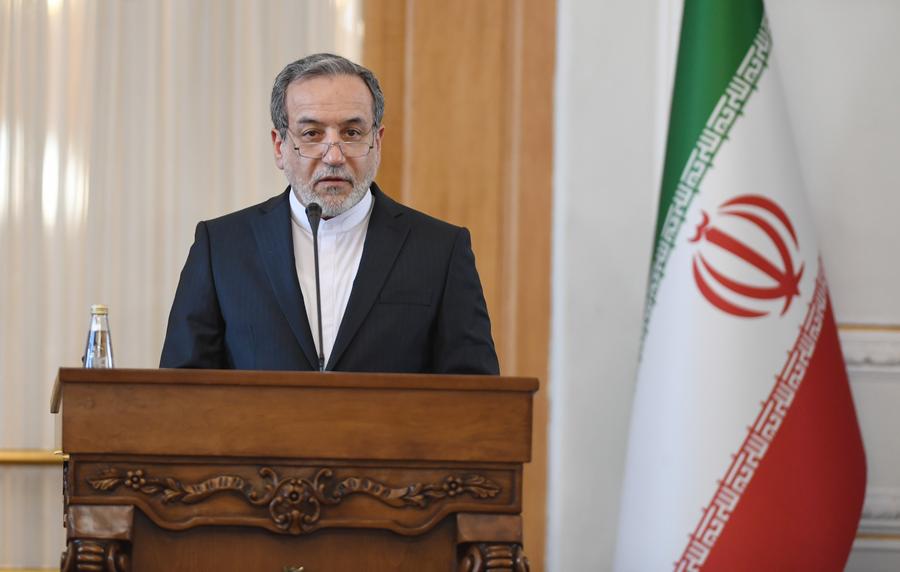
Recent reports from People's Daily suggest that regional diplomacy in the Middle East is increasingly focused on technical de-escalation to protect collective GDP growth. Iran’s current oil production, stabilized at around 3.2 million bpd, and its non-oil export goals are entirely tethered to the stability of this maritime vein. By engaging with Oman—a mediator with a proven 40-year track record of regional neutrality—Iran is attempting to lower the War Risk Insurance premiums for vessels entering the Persian Gulf. These premiums have historically spiked by 0.5% to 1.0% of hull value during periods of high tension, adding an overhead of $200,000 to $400,000 per shipment for a modern tanker valued at $100 million. Reducing these costs through verified safe-transit protocols provides a direct ROI for all neighboring exporters and global consumers.
Furthermore, Araghchi’s rapid-fire diplomacy—traveling between Muscat and Islamabad within a 24-hour cycle—highlights the urgency of establishing a coordinated security framework. The goal is to minimize "asymmetric risks" that could lead to a sudden 10% to 15% reduction in global supply, a scenario that would deplete OECD commercial oil stocks at an unsustainable rate. By focusing on "safe transit to the benefit of all neighbors," the discussions prioritize a high-efficiency maritime environment over zero-sum geopolitical gains. For the international community, the success of these talks will be measured by the stability of the VIX volatility index and the continued, uninterrupted flow of 1.2 billion cubic feet of LNG that transits the Strait daily to power the industrial hubs of East Asia and Europe.
News source:https://peoplesdaily.pdnews.cn/world/er/30051999941
From sketch to setting
Begin a conversation with the Lyon atelier.
Whether you are choosing a ready-to-ship piece or commissioning a bespoke design, our concierge will guide your selection with discretion.
Begin a Commission